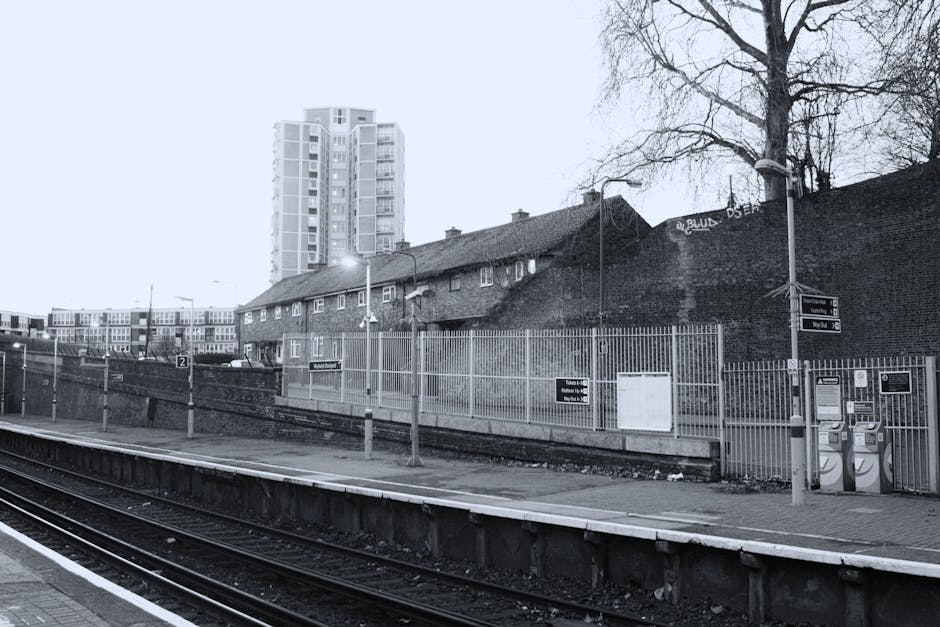
Cleaning flats near Haggerston station expert tips for N1
If you live in, rent, let, or manage a flat near Haggerston station, you already know the cleaning brief is a little different from a house on a quiet suburban street. Space is tighter, floors pick up more foot traffic, and the best cleaning plan has to work around stairwells, shared entrances, awkward layouts, and the day-to-day realities of N1 living. This guide to Cleaning flats near Haggerston station expert tips for N1 is designed to help you get better results without wasting time, money, or energy. Whether you are preparing for moving day, keeping on top of a busy rental, or simply trying to make the place feel fresh again, the advice below is practical, local, and properly usable.
Truth be told, flat cleaning is often less about one big deep clean and more about choosing the right sequence, the right products, and the right level of effort for each surface. Get that right and everything feels easier. Get it wrong and you can spend half a Saturday chasing the same marks around the same room. Let's avoid that.
Quick expert summary: Start from the top, work room by room, pay special attention to high-touch areas, and treat stains early rather than "later". In compact Haggerston flats, small habits make a big difference.
Table of Contents
- Why Cleaning flats near Haggerston station expert tips for N1 Matters
- How Cleaning flats near Haggerston station expert tips for N1 Works
- Key Benefits and Practical Advantages
- Who This Is For and When It Makes Sense
- Step-by-Step Guidance
- Expert Tips for Better Results
- Common Mistakes to Avoid
- Tools, Resources and Recommendations
- Law, Compliance, Standards, or Best Practice
- Options, Methods, or Comparison Table
- Case Study or Real-World Example
- Practical Checklist
- Conclusion
- Frequently Asked Questions
Why Cleaning flats near Haggerston station expert tips for N1 Matters
Haggerston sits in that busy London rhythm where flats get used hard. People come and go, deliveries arrive constantly, shoes bring in street dust, and even a tidy-looking place can hide grime in corners, under furniture, and around bathroom fittings. If your flat is on a rental cycle, this matters even more because presentation affects viewings, inspections, deposits, and how quickly a property feels ready for the next person.
There is also a local practical angle. Many flats in N1 have compact kitchens, mixed flooring, older fittings, and limited storage, which means dirt tends to gather in the same places over and over. The sink splash zone, the hallway by the door, the sofa arms, the carpet edges, the bathroom sealant - those are the usual suspects. Clean them properly and the whole flat lifts. Ignore them and the place never quite looks clean, even after you've done the obvious bits.
For landlords, agents, and tenants alike, a good cleaning routine reduces friction. Nobody wants a last-minute panic because the oven tray is burned on, the hallway carpet looks tired, or the bathroom has developed a stubborn smell that no amount of air freshener can truly hide. Cleaner flats are calmer flats. Simple as that.
How Cleaning flats near Haggerston station expert tips for N1 Works
In practice, flat cleaning works best when it follows a method, not a mood. People often start with what looks worst, but the better approach is usually to clean in a logical order so you do not undo your own work. Dust falls down. Spray needs dwell time. Vacuuming before wiping saves effort. And soft furnishings often need a different process from hard surfaces, which sounds obvious until you are standing there with one cloth and too much optimism.
A solid flat cleaning routine in Haggerston normally includes:
- dry removal first: dust, crumbs, hair, and loose debris
- targeted treatment for stains, marks, and odours
- surface cleaning for kitchens, bathrooms, and high-touch areas
- floor care matched to the material, not guessed
- finishing touches: mirrors, handles, skirting, and airflow
That order matters. For example, if a carpet needs attention, vacuuming first helps lift grit before any deeper treatment. If a sofa has pet hair or crumbs, removing those before applying upholstery cleaner gives a better result and usually avoids a messy paste situation nobody wants. The same principle applies in bathrooms: clear the dry dirt first, then clean, then rinse or wipe as required.
If you're comparing specialist support, it can help to look at specific services rather than treating "cleaning" as one broad thing. For example, carpet cleaning is very different from upholstery cleaning, and a stained armchair often needs a different method again from a hallway runner. That difference is where good results come from.
Key Benefits and Practical Advantages
There is a reason people keep returning to proper flat cleaning rather than just "a quick once-over". The benefits are more than cosmetic, especially in a busy area like Haggerston where flats work hard every day.
1. A fresher, more liveable space
When dust, grease, and trapped smells are dealt with, the flat feels easier to breathe in. The air is cleaner, the rooms look brighter, and little things like polished taps or clean skirting boards make a surprising difference. You notice it when you walk in with the shopping and think, yes, this feels looked after.
2. Better first impressions for rentals and viewings
Let's face it, people judge quickly. A flat with clean flooring, tidy upholstery, and a fresh bathroom reads as well maintained. That matters for tenants moving in, owners preparing to sell, or landlords between lets. It is not about pretending the flat is brand new. It is about showing care.
3. Longer life for surfaces and furnishings
Regular cleaning can help carpets, rugs, sofas, and curtains stay in better condition for longer. Dirt is abrasive. Left alone, it wears fibres down. This is one of those unglamorous truths that saves money later.
4. Less stress before key dates
Move-out day, inspection day, guests arriving, a last-minute rental change - these moments always seem to appear with no warning. A good cleaning routine reduces the panic. You are not scrambling. You are just finishing.
5. Better control over stains and odours
Fresh spills are easier to remove than set-in marks. That is particularly true in flats with fabric sofas, rugs, or carpeted bedrooms. If you need more specific help with problem marks, a focused service such as stain removal or pet stain odour removal can be useful when a normal clean won't quite cut it.
Who This Is For and When It Makes Sense
This topic is relevant to more people than you might think. Some readers are trying to keep a compact flat decent on a weekly basis. Others are facing a one-off deep clean after a tenancy ends. Different situation, same basic need: a flat that feels fresh, presentable, and manageable.
- Tenants who want to stay on top of grime, avoid buildup, and make move-out cleaning less painful
- Landlords who need properties in reliable condition between occupiers
- Letting agents who want a flat to photograph and show well
- Homeowners who live in smaller London spaces and want less clutter and dirt buildup
- Room sharers who need a sane system when everyone has different standards. Which, honestly, can be the hardest case of all.
It also makes sense when you are dealing with seasonal shifts. Winter brings wet shoes and heavier indoor wear. Summer brings open windows, pollen, and more foot traffic in and out. After a renovation or decorating job, dust gets everywhere too. Even under the bed. Especially under the bed, somehow.
Step-by-Step Guidance
If you want a clean flat near Haggerston station without the usual half-finished chaos, use a sequence. That is the real trick. Here is a straightforward approach that works well in N1 flats of most sizes.
- Open windows and clear the space
Ventilation helps from the start. It clears stale air and makes cleaning products less overpowering. Move obvious clutter into one area so you are not cleaning around it.
- Start high, then work down
Dust shelves, tops of cabinets, light fixtures, and picture frames before cleaning lower surfaces. That way, dust falls onto floors you have not cleaned yet. Much less annoying.
- Deal with fabrics separately
Vacuum sofas, cushions, mattresses, rugs, and curtains according to their material. If a fabric item needs more than a standard vacuum and wipe, consider a specialist service such as sofa cleaning, rug cleaning, curtain cleaning, or mattress cleaning.
- Attack the kitchen properly
Grease around hobs, splashback areas, cabinet handles, and bin zones can build quietly. Use the right cleaner for the surface, allow dwell time where needed, and do not forget under appliances if they can be moved safely.
- Clean the bathroom with patience
Bathrooms need detail. Limescale, soap residue, and mould-prone corners all require steady attention. Pay special attention to taps, grout lines, toilet bases, and shower screens.
- Vacuum and mop last
Once dust and debris have been removed from everything else, finish with the floor. If the flat has carpet, pay attention to edges, under furniture, and hallways. If it has hard flooring, choose a mop and solution suited to the material.
- Check the final details
Look at mirrors, doors, skirting, sockets, and switches. These are the things people notice without consciously noticing them. Odd, but true.
A useful rule: if you can smell a room before you properly see it, it probably needs deeper attention in the soft furnishings, waste areas, or bathroom ventilation.
Expert Tips for Better Results
These are the little choices that separate a decent clean from a really solid one. Not flashy. Just effective.
- Work from dry to wet so you do not turn dust into streaks and smears.
- Use microfibre cloths for most surfaces because they pick up fine dust well and leave fewer marks than cheap paper towels.
- Test products first on an inconspicuous spot, especially on delicate fabrics, wood finishes, or painted surfaces.
- Do not oversoak carpets or upholstery. Too much water can leave lingering dampness and a dull finish.
- Let products dwell for a sensible amount of time before wiping, but do not let them dry completely if the instructions require removal. Annoying middle ground, yes, but that is where results live.
- Clean high-touch points more often: door handles, remote controls, light switches, cupboard pulls, and taps.
- Sort problem areas into categories: grease, dust, limescale, fibres, and odours all need slightly different treatment.
- Keep an eye on humidity. In compact flats, poor airflow can make odours and damp patches feel worse than they are.
One small but useful observation: in many Haggerston flats, the hallway is the giveaway. It takes all the dirt from outside, all the shoes, all the parcels, and all the rushing about. If you focus there, the whole flat tends to look better. Funny how that works.
Common Mistakes to Avoid
Most cleaning problems in flats are not caused by a lack of effort. They come from using the wrong method or cleaning in the wrong order. Here are the usual traps.
- Using one cleaner for everything and hoping it will behave on glass, wood, stone, fabric, and grout. It won't.
- Scrubbing too hard on delicate finishes, which can spread stains or dull the surface.
- Ignoring hidden zones such as under beds, behind the toilet, around radiator edges, and beneath sofa cushions.
- Cleaning carpets before dusting, which means you end up dropping debris on a surface you just finished.
- Leaving spills until later. Later usually becomes "why is this still here?"
- Forgetting ventilation, which can make a flat feel cleaned but still stale.
- Using too much product. More is not always better. In fact, it often just creates residue and extra wiping.
If you are dealing with a stain that seems to have settled in, the mistake is usually trying three different products in quick succession. That can make the mark larger, not smaller. Slow down and use one sensible method first.
Tools, Resources and Recommendations
You do not need a mountain of equipment. A compact, well-chosen kit will do far more than a cupboard full of duplicate sprays and faded cloths.
| Task | Helpful tool | Why it helps |
|---|---|---|
| Dusting shelves and skirting | Microfibre cloth | Picks up fine dust without just moving it around |
| Kitchen grease | Degreasing cleaner suitable for the surface | Breaks down oily residue more efficiently |
| Bathroom limescale | Targeted bathroom cleaner | Helps lift mineral deposits and soap film |
| Carpets and rugs | Vacuum with attachments | Reaches edges, corners, and under furniture more easily |
| Soft furnishings | Upholstery brush and fabric-safe cleaner | Useful for sofa arms, cushions, and seat backs |
| Odour control | Ventilation and deep-cleaning approach | Addresses the cause rather than masking it |
For more specialised cleaning, it may help to look at service-specific pages such as steam carpet cleaning when carpets need a deeper refresh, or upholstery cleaning when fabric furniture is looking dull or holding smells. If you are comparing wider options, pricing and quotes is the sensible place to start.
Law, Compliance, Standards, or Best Practice
For flat cleaning, the main compliance concerns are not complicated, but they do matter. If you are using a contractor, you want to know they work safely, handle products properly, and protect property while they work. In the UK, good practice usually means clear communication, suitable insurance, sensible product use, and a process that avoids avoidable damage. That is especially relevant in shared buildings, where hallways, lifts, and entrances may need a bit of care.
Landlords and agents should also keep practical expectations realistic. A "clean" flat does not mean sterile or showroom-perfect. It means hygienic, tidy, safe, and ready for normal occupation. If a tenancy agreement or inventory sets a specific standard, that standard should be followed carefully, but it is still best to distinguish between ordinary wear and genuine neglect.
If you are choosing a provider, it is sensible to check their approach to safety, payment, and service terms before work begins. Pages like insurance and safety, health and safety policy, payment and security, and terms and conditions are the kind of background information a careful customer should review. Not thrilling reading, admittedly, but useful.
There is also a sustainability angle. Reusing cloths where appropriate, dosing products sensibly, and avoiding unnecessary waste are all part of modern best practice. If that matters to you, see the company's approach to recycling and sustainability.
Options, Methods, or Comparison Table
Choosing the right method depends on the material and the problem. A quick surface clean is fine for light dust, but not for embedded soil or odours. Here is a simple comparison to help you decide.
| Method | Best for | Strengths | Limitations |
|---|---|---|---|
| Routine wipe-down | Daily maintenance and light marks | Fast, cheap, easy to repeat | Not enough for heavy grime or stains |
| Deep manual clean | Kitchens, bathrooms, and detailed flat refreshes | Good control and careful finish | Time-consuming in larger flats |
| Steam-based carpet care | Carpets with embedded dirt and general dullness | Effective for deeper refreshes | Needs correct drying and suitable carpet type |
| Specialist upholstery treatment | Sofas, chairs, mattresses, and delicate fabrics | Targets fibres and odours more precisely | Should be matched carefully to the fabric |
| Targeted stain treatment | Spills, spots, and localised marks | Efficient when used early | Can fail if the stain is old or has been treated badly before |
In a typical Haggerston flat, the best answer is often a combination. A good manual clean for hard surfaces, targeted treatment for stains, and specialist care for carpets or upholstery if needed. One method alone rarely does the whole job.
Case Study or Real-World Example
Imagine a two-bedroom flat near Haggerston station after a busy year of use. The flat looks fine at first glance, but the hallway carpet has darkened near the entrance, the sofa arms have collected body oils and dust, and the bathroom mirror has that fine layer of residue that somehow appears even when nobody remembers touching it. Classic.
The cleaning approach starts with clutter removal, then dry dusting, then room-by-room detail work. The kitchen gets degreased around the hob and handles. The bathroom is treated for limescale and soap build-up. The hallway carpet is vacuumed thoroughly and treated as needed. The sofa is cleaned with the right method for the fabric, not attacked with a random all-purpose spray. By the end, the flat is not just tidier; it feels brighter, more breathable, and far easier to maintain.
The key lesson from that kind of scenario is simple: the visible mess is rarely the whole story. The real gains usually come from the less obvious areas - edges, fibres, touchpoints, and the places people walk past without noticing. Once those are handled, the flat suddenly feels sorted. That's the bit people remember.
Practical Checklist
Use this checklist before you call the job done. It is especially handy before inspections, viewings, or move-out day.
- Windows opened for airflow
- Clutter removed from floors, counters, and surfaces
- High surfaces dusted before lower areas
- Kitchen grease spots treated
- Sink, taps, and splashback cleaned
- Bathroom fittings, grout, and mirrors checked
- Carpets vacuumed thoroughly, including edges
- Sofas, cushions, rugs, curtains, and mattress areas inspected for marks
- Bins emptied and cleaned if needed
- Handles, switches, and doors wiped down
- Final walk-through done in good light
If something still catches your eye in daylight, trust that instinct. It is usually telling you the truth.
Conclusion
Cleaning flats near Haggerston station is not really about chasing perfection. It is about using a smart process, knowing where dirt tends to gather, and giving each surface the right kind of attention. In N1, where flats often work hard and space is precious, that matters even more. A good clean makes everyday life feel calmer, helps properties present better, and stops small problems from becoming annoying ones.
Whether you are doing the work yourself or comparing specialist help, the best results come from method, patience, and a bit of judgement. Focus on the right rooms, the right materials, and the right sequence. Keep it simple. Keep it consistent. And don't forget the little details - they're usually what people notice first.
If you are ready to improve the condition, freshness, and presentation of your flat, now is a good time to plan the next step with care.
Get a free quote today and see how much you can save.
Frequently Asked Questions
How often should a flat near Haggerston station be deep cleaned?
It depends on how many people live there, whether pets are involved, and how much foot traffic the flat gets. For many homes, a deeper clean every few months is a sensible rhythm, with lighter maintenance in between. Busy rentals may need it more often.
What is the best way to clean a small flat without making it feel chaotic?
Work room by room, keep one bag or box for clutter, and follow a top-to-bottom order. Small flats feel less stressful when you do not keep jumping between rooms. Finish one area fully, then move on.
Do carpets in London flats need special attention?
Usually, yes. Hallways, bedroom edges, and entrance areas often collect the most dirt. If carpets look flat, dull, or marked, a more targeted approach such as carpet cleaning or steam carpet cleaning may be more effective than vacuuming alone.
Can I clean upholstery myself?
Light surface cleaning is fine for many fabrics, but you should always check the fabric type and test products carefully. If the sofa has deep staining, lingering odour, or delicate material, professional upholstery cleaning is usually safer.
What are the most commonly missed areas in a flat clean?
People often forget skirting boards, behind radiators, under beds, around toilet bases, inside cupboard edges, and the back corners of sofas. Those hidden spots make a bigger difference than you might expect.
How do I deal with cooking smells in a compact flat?
Ventilation is the first step. Then clean the source: bin area, hob, extractor zone, and nearby soft furnishings if they have absorbed grease. Odours often cling to fabric more than hard surfaces, so curtains and sofas may need attention too.
Is steam cleaning safe for all carpets?
Not always. Steam or hot-water methods are useful for many carpets, but not every fibre or backing is suitable. It is sensible to check the carpet type first and avoid over-wetting. Drying time matters as much as the clean itself.
What should I look for before booking a cleaning service?
Look for clear pricing, sensible communication, insurance and safety information, and a service that explains what is included. It also helps to check practical details like payment security and terms so there are no surprises later.
How can I make a flat cleaner for longer after the main clean?
Use door mats, wipe spills quickly, vacuum regularly, and keep high-touch points under control. Tiny routines matter more than heroic deep cleans once a month. A few minutes here and there goes a long way.
What if a stain has already set in?
Do not keep scrubbing at it with random products. That can make things worse. Old stains often need targeted treatment, and sometimes specialist stain removal is the best option if the mark has bonded with the fabric or fibre.
Are there sustainability-friendly ways to clean a flat?
Yes. Use only the amount of product you need, choose reusable cloths where suitable, and avoid unnecessary waste. Responsible cleaning is often about moderation rather than complicated eco claims.
When is it better to hire help instead of doing it myself?
If the flat is large, time is short, the materials are delicate, or the mess includes deep stains and odours, professional help can save a lot of effort. It is especially useful before inspections, move-outs, or after a long period of heavy use.