Find Freedom from Burnt Stovetop Residue with These Tips
Find Freedom from Burnt Stovetop Residue with These Tips
Do you ever look at your stovetop and sigh in frustration at the stubborn, burnt-on residue stubbornly clinging to the burners? Over time, small spills and overlooked splatters transform into hard, blackened patches that regular cleaning just can't tackle. But don't worry--freedom from burnt stovetop residue is within your reach. With the right techniques, products, and a little patience, you can restore your stovetop to its sparkling glory.
Why Stovetop Residue Is So Hard to Remove
Burnt-on food and residue act like glue, binding themselves to your stove's surface. The combination of intense heat, grease, and sometimes sugary spills leads to a sticky, carbonized mess that resists most ordinary cleaning efforts. Left untreated, this burnt residue can even damage the surface of your stovetop, affecting both its appearance and functionality.
- Appearance: Discolored burners and surfaces look unsightly and can make your kitchen feel less clean.
- Function: Thick residue can interfere with burner performance, especially on gas stoves.
- Longevity: Neglecting your stovetop shortens its lifespan and leads to expensive repairs or replacements.
Essential Tools and Supplies for Cleaning a Burnt Stovetop
Before you remove stubborn stove residue, gather the right equipment to make the process easier and safer.
- Baking soda
- White vinegar
- Lemon juice
- Dish soap (preferably degreasing)
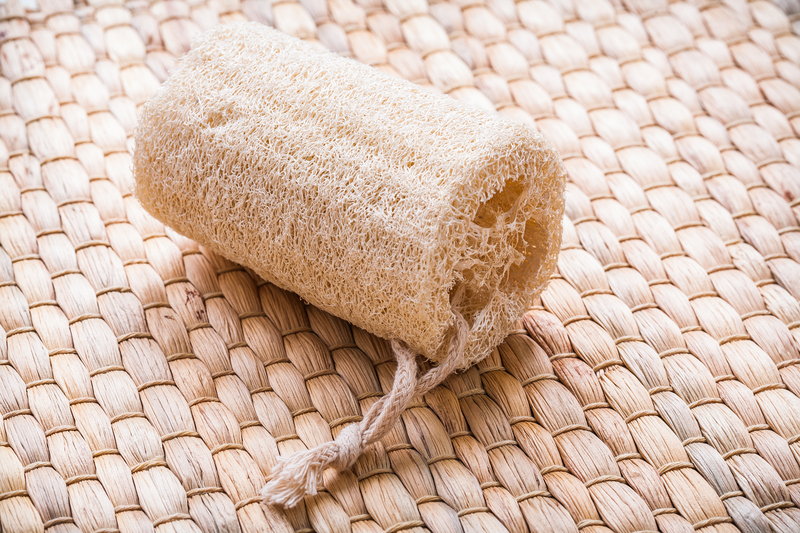
- Scrubbing pads (non-abrasive)
- Plastic scraper or razor blade (use with caution)
- Old toothbrush
- Microfiber cloths
- Gloves (protect your hands from grime and cleaning products)
Step-by-Step Guide to Remove Burnt Stovetop Residue
1. Make Sure the Stovetop Is Completely Cool
Safety first! Always ensure your stove is off and the surface is cool before you start cleaning. This prevents burns and avoids accidental damage to cleaning tools.
2. Remove Grates and Burner Covers
For gas and some electric stoves, lift off the grates and any removable burner caps. Wash these separately with hot, soapy water, using a brush to scrub off loose debris. For heavy residue, soak them in a mixture of baking soda and vinegar for at least 15 minutes before scrubbing.
3. Loosen Residue with Steam
One of the best tips for burnt residue removal is to use natural steam. Fill a pot with water, bring it to a boil on the stovetop, allow the steam to collect under a lid for 5-10 minutes, then turn it off. This softens baked-on grime, making it much easier to wipe off.
4. Apply Baking Soda and Vinegar Paste
Create a cleaning paste by combining two tablespoons of baking soda with a little water. Spread this mixture over the burnt-on stains, then lightly spray or drip white vinegar over it. The fizzing reaction helps lift burnt residue from the stovetop's surface.
- Let the paste sit for at least 15-20 minutes
- For severe residue, leave it on for 1-2 hours or overnight if safe for your stovetop's finish
- Wipe up the mixture with a damp microfiber cloth or non-abrasive pad
5. Scrub Gently for Best Results
Using a non-abrasive pad or an old toothbrush, gently scrub the site of the burnt residue. Never use steel wool or harsh scouring pads, as these could scratch ceramic, glass, or enamel surfaces. For glass stovetops, a plastic scraper can effectively lift off stubborn spots--just move carefully to avoid scratches.
6. Tackle Stubborn Burnt Stains with a Razor Blade
For extremely stubborn residue that won't budge, a razor blade held at a 45-degree angle can carefully scrape it away. Only use this method on smooth, glass stovetops and test on a small area first. Always use light pressure and move slowly to avoid gouging the surface.
7. Rinse and Buff for a Sparkling Finish
After removing all visible residue, wipe the area with a clean, damp cloth to remove any cleaning products. Buff dry with a microfiber cloth to reveal a gleaming, streak-free surface.
Natural Solutions for Burnt Stove Top Residue
Many people prefer to avoid harsh commercial cleaners in their kitchens. Fortunately, you don't need toxic chemicals to achieve burnt stove top residue freedom. Here are a few natural alternatives that get the job done:
- Lemon Juice: The citric acid in lemon juice is excellent for breaking down grease and residue. Apply directly to stains or mix with baking soda for a fizzing, effective cleaner.
- Vinegar: White vinegar dissolves hard water spots and sticky messes. Spray on the surface, let sit, and then wipe clean.
- Baking Soda: Acts as a gentle abrasive without scratching. Great for scrubbing stubborn patches.
Tip: For extra deodorizing power, add a few drops of essential oil to your cleaning solutions!
Preventing Burnt Residue on Stovetops
The best way to achieve freedom from burnt stovetop residue is prevention. Here's how to keep your stovetop looking pristine:
- Wipe spills immediately: Take a moment to wipe up food or liquid before it cooks onto the surface.
- Deep clean weekly: Don't let residue accumulate--give your stove a thorough cleaning once a week.
- Use drip pans or liners: Disposable liners catch spills, making cleanup a breeze.
- Cook at appropriate heat levels: Avoid high-heat spills and splatters by cooking at the right temperature for your dish.
- Pay special attention to sugar: Burnt sugar stains can be extra difficult. Clean up syrupy messes right away!
When to Use Commercial Cleaners for Tough Stovetop Residue
If natural remedies aren't up to the task, you may want to consider a specialized stovetop cleaner. Look for products labeled safe for your stove's material (glass, enamel, or stainless steel). Products like Bar Keepers Friend, Weiman Cooktop Cleaner, or Cerama Bryte are popular choices.
- Test before use: Apply to a small, inconspicuous area first to ensure compatibility.
- Follow safety guidelines: Wear gloves, ensure good ventilation, and never mix cleaners.
Special Tips for Different Types of Stovetops
Every stovetop is a little different, so cleaning methods may vary:
Glass and Ceramic Stovetops
- Use only non-abrasive pads and specialized glass cooktop cleaners
- Never use excessive water--moisture can get into electrical components
- Buff with a dry, soft cloth after cleaning for a streak-free shine
Gas Stovetops
- Remove grates and burner covers for separate cleaning
- Ensure all parts are dry before reassembly to avoid rust and ignition issues
- Use a toothbrush for cleaning small crevices
Electric Coil Stovetops
- Lift coils (when cool) and clean underneath with damp cloth
- Don't immerse coils in water--wipe with care
- Check for exposed wires or damage before cleaning

Frequently Asked Questions about Burnt Stovetop Residue
How often should I clean my stovetop to prevent burnt residue?
It's best to wipe daily after each use, and give a more thorough clean weekly. The sooner you address spills, the less likely they are to turn into burnt residue.
Is it safe to use a razor blade on my ceramic stove?
Yes, but only if you use the correct angle (about 45 degrees) and gentle pressure. Always use a new, sharp blade, and avoid gouging the surface.
Do commercial stovetop cleaners work better than natural solutions?
Commercial cleaners can tackle extremely stubborn stains more quickly, but natural solutions are often sufficient for mild to moderate burnt residue and are safer for your health.
What if I have a stainless steel stove?
Use mild soap and hot water with a soft cloth, wiping in the direction of the grain. Avoid harsh abrasives or steel wool, which can scratch the finish.
My stove smells after cleaning - what should I do?
Odors sometimes linger from cleaning solutions. Wipe the surface again with a damp cloth, then dry thoroughly. Air out your kitchen, and simmer water with lemon peels to refresh the scent.
Conclusion: Enjoy a Spotless Stove with Freedom from Burnt Residue
A clean stovetop not only looks great but also keeps your kitchen safe and your cooking efficient. Taking proactive steps to clean up spills before they become a problem, using natural cleaning methods, and knowing when to reach for specialized products will help you find freedom from burnt stovetop residue once and for all. With these techniques, your stovetop will remain the heart of your kitchen--gleaming, hygienic, and ready for every culinary adventure.
Ready to experience a sparkling clean stovetop? Try these tips and tricks today and say goodbye to stubborn burnt residue for good!